
Updated · By JEWO Solar · Sources are linked in the text
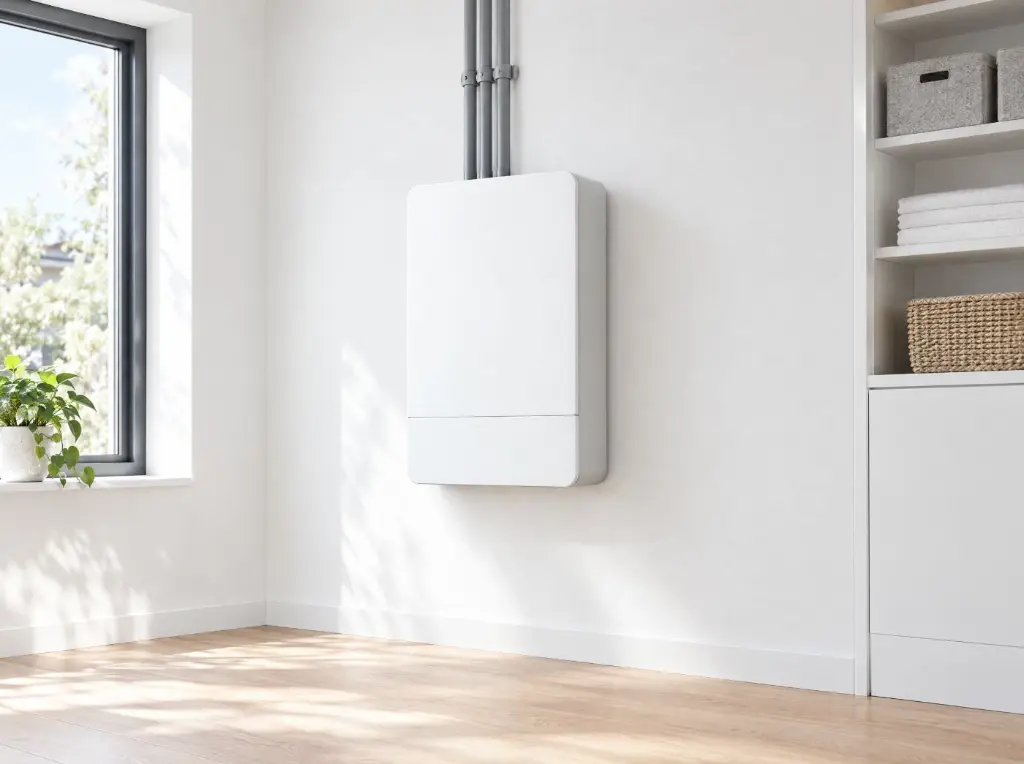 Illustration
An inverter turns the direct current from solar panels into the alternating current your home uses. Grid-tie and hybrid inverters do that the same way. The difference is what they do with the energy your home isn’t using at that moment.
How the energy moves
The hybrid inverter decides where every watt goes: into the house first, the surplus into the battery, and only what is left to the grid.
Grid-tie inverter
A grid-tie inverter powers your home from the panels and sends the surplus to the grid. It can’t run a battery. When the grid goes down, a grid-tie inverter switches off for safety, so the house has no power even on a sunny day.
Hybrid inverter
A hybrid inverter does the same and also runs a battery: during the day it charges the battery with the surplus, and in the evening it powers the house from it. It decides where the energy goes: to the house, the battery or the grid. Some models can also power the house during a grid outage, but that depends on the model, so check the specification.
Comparison
| Grid-tie | Hybrid | |
|---|---|---|
| Powers the house from the panels | Yes | Yes |
| Battery connection | No (needs a separate battery inverter) | Yes |
| Daytime surplus | To the grid | To the battery, then to the grid |
| In the evening | Power from the grid | Power from the battery until it runs out |
| During a grid outage | Switches off | Depends on the model |
When to choose a hybrid
You want a battery now or later. With a hybrid inverter you can add a battery years later without replacing the inverter.
You can export only 1 kW. Then it pays to store the surplus instead of losing it. More in 1 kW solar without ESO technical conditions.
You want to pay less for grid storage. In Lithuania, every kWh stored in the grid and taken back costs 7.26 ct in 2026 (ESO); energy from your battery doesn’t.
When a grid-tie inverter is enough
If you don’t plan a battery, the grid lets you export all your surplus and the grid storage terms suit you, a grid-tie inverter is enough.
Already have a grid-tie inverter?
There are two routes: add a battery with its own battery inverter (so-called AC coupling), or replace the inverter with a hybrid. Which is cheaper depends on the age and size of your current inverter. Send us its model and we’ll advise.
Our hybrid inverter
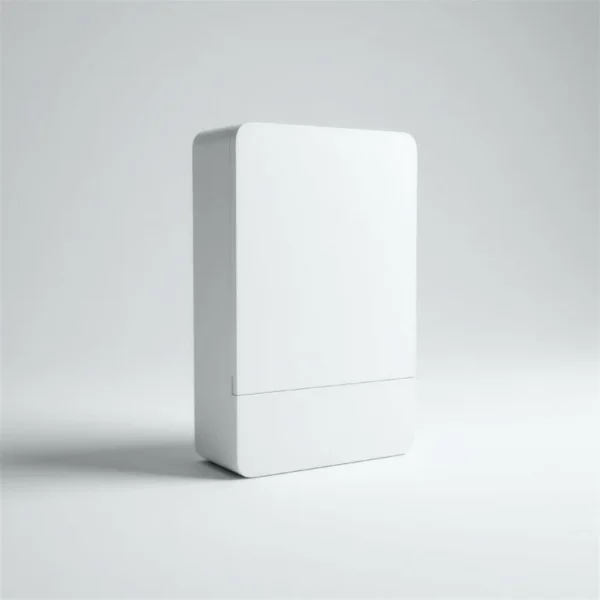
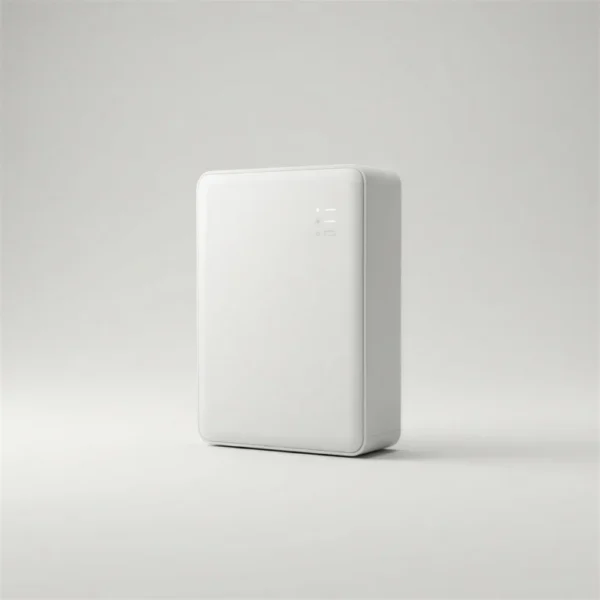
10 kWh LiFePO4 home battery
More: 5 kW hybrid inverter.
Frequently asked questions
What is the difference between a hybrid and a grid-tie inverter?
Both turn solar power into electricity for your home. A grid-tie inverter sends the surplus to the grid; a hybrid also runs a battery, charging it during the day and powering the house from it in the evening.
Can I connect a battery to a grid-tie inverter?
Not directly. You need a separate battery inverter (AC coupling), or you replace the inverter with a hybrid.
Does a hybrid inverter work during a power cut?
It depends on the model. Some hybrid inverters have a backup power function; others switch off like grid-tie ones when the grid goes down. Check the model’s specification.
Is a hybrid inverter worth it if I'm not buying a battery yet?
If you plan a battery within a few years, usually yes: later you only add the battery, without replacing the inverter.
Not sure which inverter to choose?
Send us your yearly electricity use and, if you have one, your current inverter model. We’ll advise for free.
Get a free system quoteGuides for buying solar in Lithuania
1 kW solar without ESO technical conditions
When a system can connect without ESO technical conditions, and why it then needs a battery.
What a solar system with battery costs
Equipment prices in 2026, yearly output and the grant in Lithuania.
Is a home battery worth it?
A worked example with 2026 electricity prices and grid storage fees in Lithuania.
Solar calculator
System size, number of panels and equipment price from your electricity use.